Specialities
Our Specialities for You!
At Padaav, we specialize in treating a wide range of conditions with personalized Ayurvedic care, addressing root causes to restore health and balance naturally.
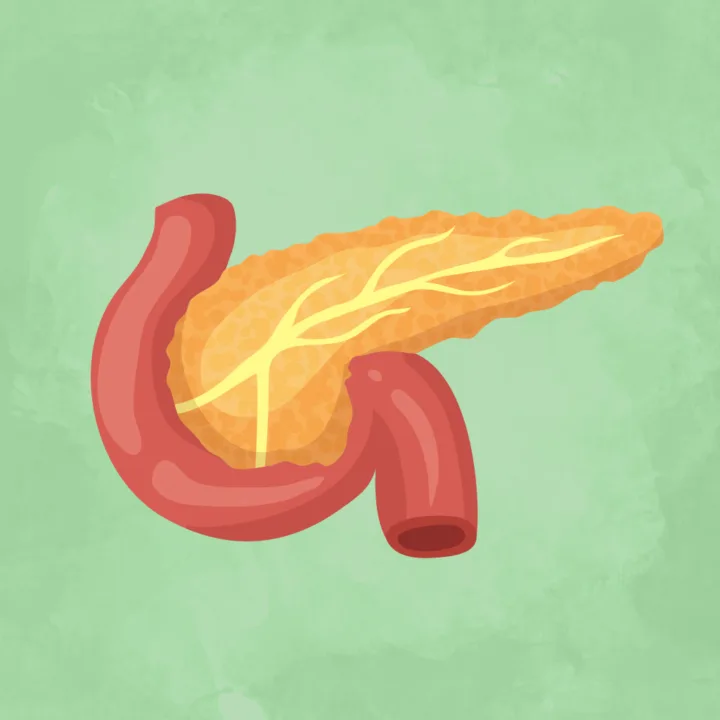
Pancreatitis
Pancreatitis is an inflammatory condition affecting the pancreas, a vital organ that plays a crucial role in digestion and regulating blood sugar levels. When inflammation occurs, it disrupts the normal functioning of the pancreas, leading to severe health complications if left untreated. At Padaav, we specialize in managing Pancreatitis through a holistic Ayurvedic approach, offering hope and relief to hundreds of patients who now lead healthier lives.
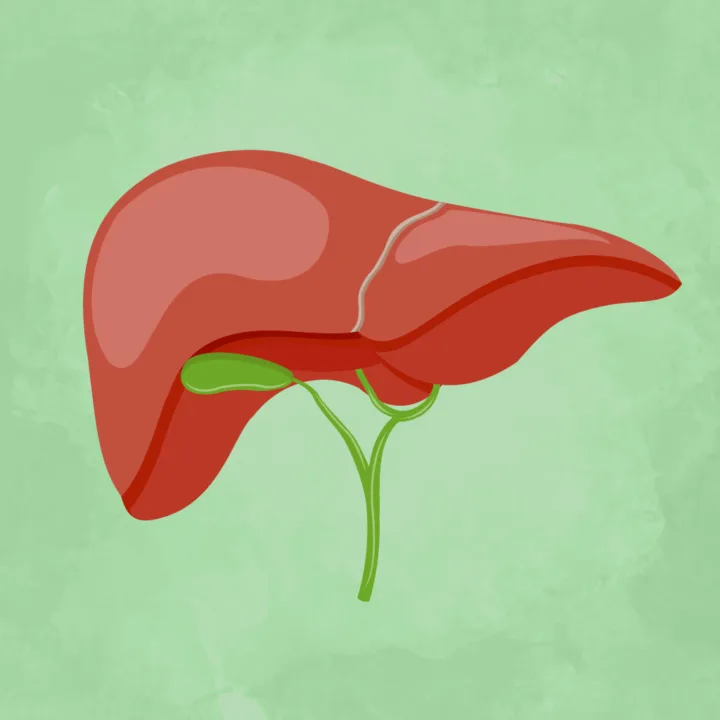
Non-Alcoholic Fatty Liver Disease (NAFLD)
Non-Alcoholic Fatty Liver Disease (NAFLD) is a growing global health concern characterized by the abnormal accumulation of fat in the liver, unrelated to alcohol consumption. Often associated with obesity, metabolic syndrome, and poor lifestyle habits, NAFLD can progress to more severe liver conditions, including Non-Alcoholic Steatohepatitis (NASH), fibrosis, or cirrhosis. At Padaav, we offer Ayurvedic solutions rooted in traditional wisdom, addressing the root causes and promoting liver health holistically.
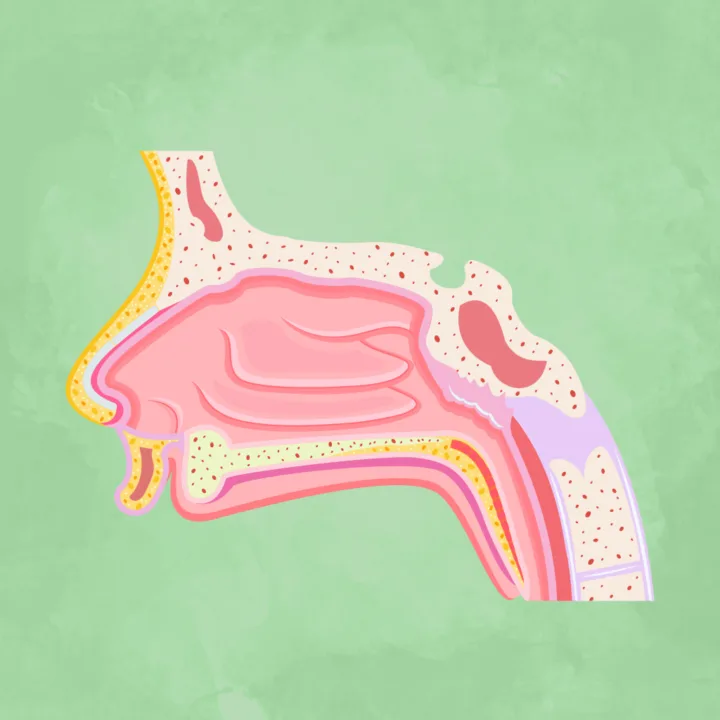
Allergic Rhinitis
Allergic Rhinitis (AR), commonly known as hay fever, is a chronic inflammatory condition of the nasal passages triggered by allergens. It is one of the leading medical conditions worldwide, significantly affecting quality of life and productivity. Characterized by sneezing, nasal congestion, and itchy or watery eyes, AR impacts daily activities, sleep, and overall well-being. At Padaav, we offer a holistic Ayurvedic approach to managing AR, providing sustainable relief without the side effects of conventional medications.
Migraine
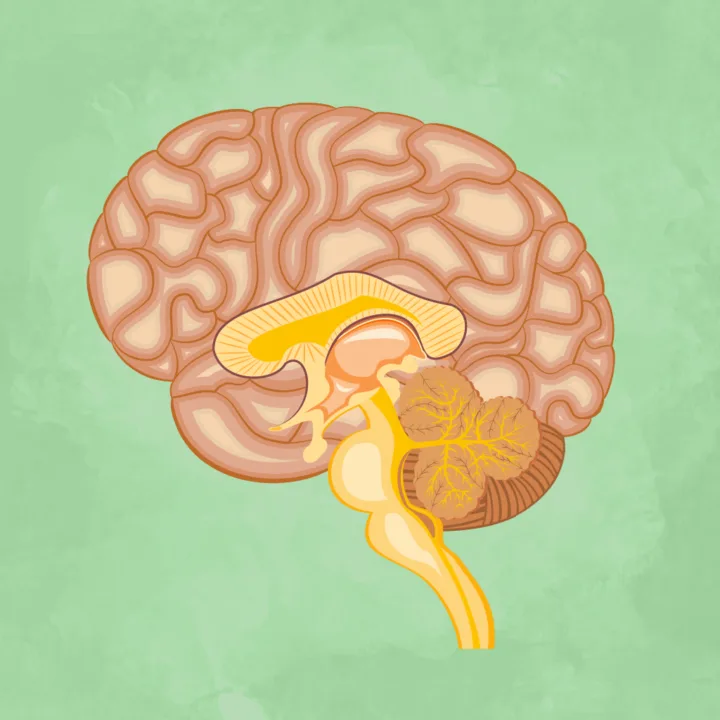
Migraine is a debilitating neurological condition that affects millions globally. It ranks as one of the leading causes of disability among individuals under 50, disrupting personal, social, and professional life. The intense, recurrent headaches, often accompanied by nausea, sensitivity to light or sound, and fatigue, significantly impair daily functioning and quality of life.
Research
Our Research
At Padaav, alongside delivering unparalleled patient care and promoting holistic health, we are committed to advancing Ayurveda by actively participating in research and contributing to its growing body of knowledge.
Herbo-mineral ayurvedic treatment in a high risk acute promyelocytic leukemia patient with second relapse: 12 years follow up
A 47-year-old diabetic male with high-risk AML-M3 relapsed after multiple chemotherapy treatments. In 1997, he opted for a pilot Ayurvedic study and was treated with Navajeevan, Kamadudha Rasa, and Keharuba Pisti. He achieved complete remission and has remained disease-free for 13 years without side effects from the alternative treatment.
Response to Ayurvedic therapy in the treatment of migraine without aura
A study on 204 migraine patients using an Ayurvedic Treatment Protocol (AyTP) showed 35.2% had complete relief, 35.2% had mild episodes without medication, and 70.5% experienced reduced pain frequency and intensity. The preliminary results suggest the AyTP may be effective, though the study's design limits firm conclusions.
Significant Reduction of Carbohydrate 19-9 Antigen Levels in a Patient of Acute on Chronic Pancreatitis through Ayurvedic Treatment Protocol
A 52-year-old male with recurrent acute necrotizing pancreatitis showed poor response to conventional treatment, leading to weight loss and high CA 19-9 levels. Ayurvedic therapy, including herbal formulations, a balanced diet, and rest, normalized his CA 19-9 levels within 108 days, highlighting its potential for further study.
Ayurvedic preparation in the treatment of nutritional anemia
A pilot study on 600 anemic women showed the highest hemoglobin gain (1.8 g%) with a combination of Ayurvedic preparations SS and Ayas, followed by Ayas (1.6 g%), SS (1.5 g%), and IFA tablets (1.1 g%). SS, a non-iron Ayurvedic preparation, improved iron absorption and showed promising results with minimal side effects.
CA19-9 LOWERING EFFECT OF AN AYURVEDIC MINERAL COMPLEX PREPARED USING COPPER, MERCURY AND SULPHUR
Rasa Shastra, an Ayurvedic practice using metals and minerals, has shown that Ayurvedic Mineral Complex (AMC) helps reduce elevated CA19-9 levels in pancreatitis patients. This suggests AMC could be explored as a preventive therapy for pancreatic cancer.
Prevalence of Anemia among Pregnant Women and Adolescent Girls in 16 Districts of India
Nutritional anemia is widespread in India, affecting 84.9% of pregnant women and 90.1% of adolescent girls. Severe anemia is prevalent in both groups. The Government of India provides iron and folic acid to pregnant women, but no similar program exists for adolescent girls. Interventions should address iron, B12, and folic acid deficiencies.
Experience at Padaav
Stories Of Health & Healing
Discover powerful stories of recovery and transformation from our patients. Their journeys highlight the success of our personalized Ayurvedic treatments and the impact of evidence-based care in restoring health and hope.

Ashish Agrawal
Chronic Pancreatitis
Kashipur, Uttarakhand
Kashipur, Uttarakhand, India — Ashish Agrawal, a 36-year-old wholesale dry fruits and spice…
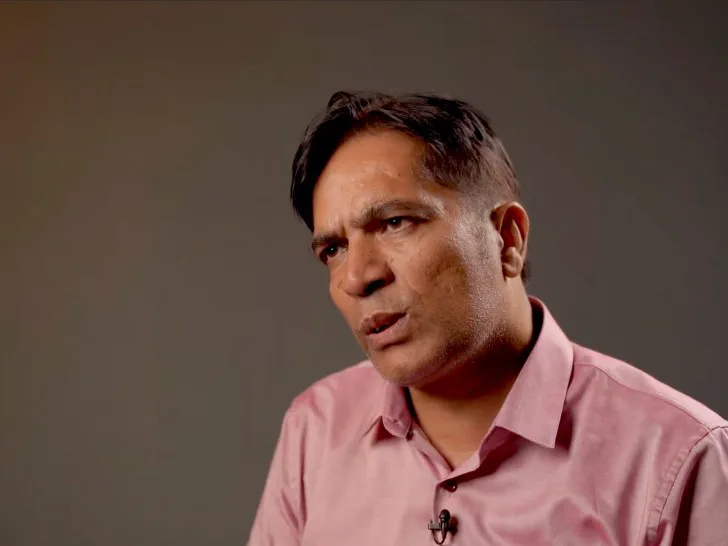
Rajeev Kumar Sharma
Pancreatitis
Dehradun
In 2009, Rajeev Kumar Sharma, a government employee, was riding a two-wheeler from Rishikesh to D…

Rashi
Chronic Pancreatitis
Rampur
There was a time when Rashi was gripped by a disease so feared that just hearing its name sent ch…

Ved Hitendra Kumar Vyas
Acute on Chronic Pancreatitis
Ahmedabad, Gujarat
Ahmedabad, India — At 18, Ved Hitendra Kumar Vyas, an engineering student from Ahmedabad, w…
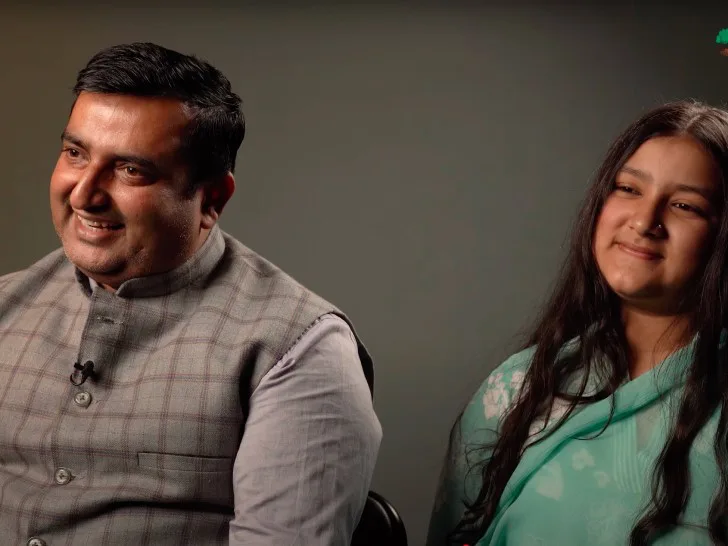
Sanskriti
Pancreatitis
Dehradun
In 2018, 8-year-old Sanskriti was a big fan of fast food. The crispy, fried, and spicy food was i…