Insights from Vaidya Shikha Prakash (Padaav) on Critical Patient Questions
Pancreatitis requires a strict, multi-faceted approach involving diet, lifestyle, and medicine. Vaidya Shikha Prakash addresses the most prevalent myths surrounding treatment protocols, emphasizing that effective recovery hinges on eliminating indiscipline and adhering to the body’s natural rhythms.
Part 1: The Non-Negotiable Rules of Diet and Digestion
Misinformation about food often prevents patients from healing properly. Vaidya Prakash clarifies common dietary myths:
-
Zero Fat is Necessary: This is False. Zero fat leads to micronutrient deficiencies. Fat intake should be less than moderation, and the patient must be mindful of the type of fat consumed. Don’t eliminate fat; moderate it carefully.
-
Zero Benefit from Small, Frequent Meals: This is False. Small, frequent meals are essential. They reduce stress on the pancreas, acting as a form of treatment itself. Eating small portions, regularly, minimizes pancreatic strain.
-
High-Fiber Diet is Perfect for All: This is False. While generally healthy, high fiber can cause bloating and gas in patients with severely poor digestion. Diet must be tailored to the patient’s current digestive capacity.
-
More Protein Damages the Pancreas: This is False. Protein is a basic need. Patients should consume 0.8 to 1 gram per kg of body weight to meet minimum requirements.
-
Skipping Breakfast is Harmless: This is False. Skipping meals creates long gaps of eating, which increases acid reflux and stress on the pancreas. Eating breakfast prevents long gaps and reflux.
Part 2: The Critical Link: Alcohol, Smoking, and Sleep
Vaidya Prakash firmly establishes that lifestyle choices are often the primary trigger and obstacle to recovery.
1. Alcohol and Smoking (Zero Tolerance)
-
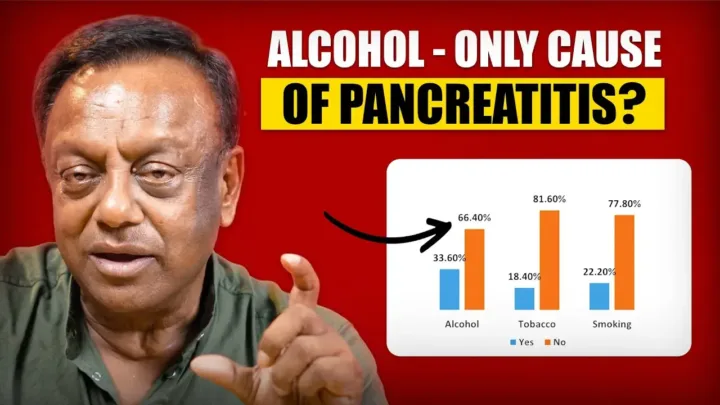
Myth: Moderate drinking is safe after Pancreatitis. This is unequivocally false and insensitive. There is a direct, established connection between alcohol consumption (regardless of quantity or type—beer, wine, or spirits) and Pancreatitis. Any doctor will advise zero alcohol consumption after diagnosis.
-
Myth: Smoking cessation makes no difference. Smoking cessation has a direct positive impact on the pancreas. It must be stopped immediately.
2. The Biological Clock (Circadian Rhythm)
-
Myth: Night shifts/Irregular meals do not affect the pancreas. This is a major cause of the disease. The body has a crucial biological clock (Dinacharya) . Disruption (e.g., night waking, or Ratri Jagran) causes:
-
Inflammatory Changes
-
Hormonal Changes
-
Insulin Resistance
-
This directly stresses the pancreatic health and can trigger the disease.
-
Part 3: Treatment and Diagnostic Clarity
Vaidya Prakash addresses confusion regarding hospital treatment and necessary supplements.
-
IV Fluids are Not the End: During an acute attack, NBM (nothing by mouth) and IV fluids are the best initial treatment to rest the inflamed pancreas. However, as the pain settles, gradual re-feeding with soft meals is introduced quickly. Continuous IV drip until pain is completely zero is an outdated approach.
-
Hydration is Year-Round: Water intake is not just for the kidneys or hot weather. Dehydration makes pancreatic juices viscous (thicker), which is harmful. Hydration is relevant 365 days a year.
-
Supplements are Essential: Checking for micronutrient deficiencies (like Vitamin D and Calcium) is not a fad but an essential part of chronic care. Supplements must be taken under a doctor’s supervision.
-
Exercise: Very extreme exercise can worsen the disease, but light activity guided by a doctor is fine if there is no active flare-up. The patient must always exercise within their body’s “capacity” (bal).
-
Stress Management: Stress is a major underlying factor in many Idiopathic (unknown cause) Pancreatitis cases. Managing stress through sleep, proper diet, and grounding activities is vital, as stress directly links to inflammation.
-
Combination Treatment: Diet alone is never sufficient. Effective treatment involves a combination of Aahar (Diet), Vihar (Lifestyle/Rest), and Aushadhi (Medicine).
Vaidya Prakash strongly recommends that patients never self-medicate and always seek professional advice to track inflammation, prevent complications, and maintain their recovery.