Pancreatitis, a disease of the pancreas, is often unknown to individuals until they or someone close to them experience its debilitating effects. It’s a condition surrounded by a great deal of misinformation and fear. In a candid Q&A session, Vaidya Shikha Prakash, CEO of Padaav Speciality Ayurvedic Treatment Center, sheds light on the disease, offering insights rooted in a holistic and scientifically-grounded approach. This article compiles and elaborates on her responses, providing a clear guide to understanding and managing pancreatitis.
The Nature of Pancreatitis: From Misconception to Reality
Pancreatitis is an inflammation of the pancreas, and its severity can range from mild to life-threatening. The pain, as described by a patient, can be as intense as “being shot by a bullet,” but surprisingly, not all patients experience pain. Approximately 10% of cases are asymptomatic, with the disease only being discovered through symptoms like unexpected weight loss, uncontrolled diabetes, or digestive issues. This highlights the importance of not dismissing subtle changes in one’s body.
Prakash clarifies the difference between acute and chronic pancreatitis. Acute cases, which involve sudden inflammation, often resolve completely. However, chronic pancreatitis is characterized by irreversible morphological changes like calcification and structures in the pancreas. While these changes cannot be fully reversed, a structured treatment protocol can stop the disease’s progression, preventing further damage and putting the patient in a state of long-term remission.
Root Causes: Beyond Alcohol and Diet
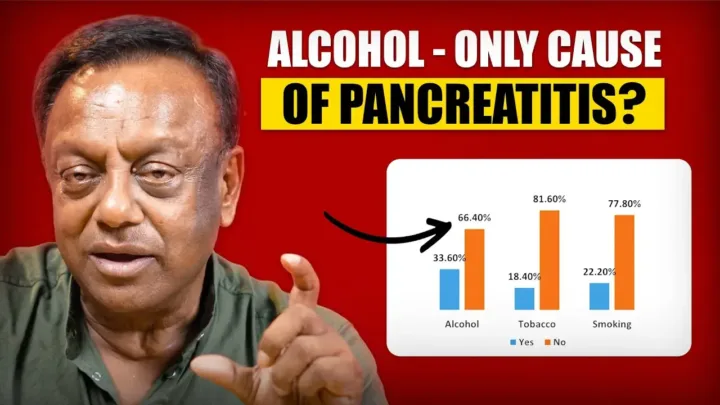
While alcohol is a well-known trigger, Prakash’s clinical experience reveals that the root causes of pancreatitis are often more complex and deeply tied to modern lifestyles.
- Lifestyle: A staggering 93% of her patients reported sleeping late, a habit that disrupts the body’s natural circadian rhythm. She identifies late nights, skipping meals, and high-stress environments as major contributors to the inflammatory state of the body.
- Genetics: Pancreatitis can have a hereditary component, with a higher risk in families where the disease is present.
- Other Triggers: Beyond lifestyle, other triggers include trauma-induced injuries, specific medications, and morphological conditions like Pancreas Divisum. This underscores that the disease is not a one-size-fits-all condition and requires a personalized approach.
The Padaav Treatment Philosophy: A Three-Pillar Approach
The treatment at Padaav is based on a holistic philosophy that goes beyond mere symptom management. It’s built on three interconnected pillars: Medicine, Diet, and Lifestyle.
- Medicine: The protocol involves two to three primary Ayurvedic medicines, with a duration typically lasting one year. Prakash strongly advises against combining her Ayurvedic medicines with modern medical treatments, though exceptions are made for life-saving interventions like insulin for diabetic patients. The goal is to avoid a “cocktail” of medications that could have unpredictable interactions.
- Diet: The diet is a crucial part of the healing process. Patients are encouraged to consume a balanced, high-protein diet with seasonal fruits and vegetables. The focus is on eating freshly prepared, simple meals at a consistent time. After the initial treatment, patients are often allowed to have fried foods or sweets in moderation, but only with mindful and disciplined consumption.
- Lifestyle: The 21-day residential program at Padaav is designed to help patients adopt a disciplined lifestyle. This includes strict adherence to a sleep schedule, avoiding physical overexertion, and learning how to manage mental and emotional stress. The emphasis is on long-term sustainable habits rather than short-term fixes.
Addressing Patient Concerns and Debunking Myths
Prakash addresses common patient questions, dispelling myths and providing reassurance.
- Can I go back to a normal life? Yes, absolutely. She shares the story of a patient named Nishant, a young man who, after treatment, went on to enjoy an active life with activities like gymming and skydiving. The key is to maintain a disciplined routine, not to give up on life.
- Does it affect other organs? Yes, it does. Pancreatitis is not limited to digestion. It can lead to complications like diabetes, weakened immunity due to poor nutrient absorption, and significant mental health challenges like anxiety and fear.
- What about extreme pain? In cases of severe, acute attacks, hospitalization is necessary. While the Ayurvedic medicines are designed to reduce the frequency and intensity of pain over time, a support system of doctors and painkillers is essential for managing a severe flare-up.
- Is surgery necessary? Surgery is typically a last resort for complications like pancreatic necrosis, stones obstructing the duct, or severe trauma. Even after surgery, the symptoms can sometimes return, which further highlights the importance of a comprehensive lifestyle-based approach.
The Path Forward: A Call for Discipline and Self-Awareness
The ultimate message from the session is a call for discipline and self-awareness. Pancreatitis is a serious illness, but the patient and their family hold a significant amount of control. By shifting from a mindset of being a victim to being an active participant in their healing, patients can not only put the disease into remission but also lead a life of vitality and well-being. This requires consistent effort, patience, and a commitment to a healthier lifestyle that extends far beyond the initial treatment period.