Pancreatitis, a debilitating inflammatory disease of the pancreas, is on the rise in India. For years, patients have been told that the primary causes are alcohol consumption and gallstones. However, groundbreaking new research, published in the Journal of the Epidemiology Foundation of India, suggests that the reality of pancreatitis in India is far more complex and is increasingly linked to the pressures of modern life.
The comprehensive study, authored by Vaidya Balendu Prakash and his team at the VCPC Research Foundation, analyzed data from 2,050 patients over 27 years. Its findings reveal a new face of the disease—one that is younger, geographically widespread, and driven by factors far beyond the usual suspects.
The New Face of Pancreatitis: A Disease of India’s Youth
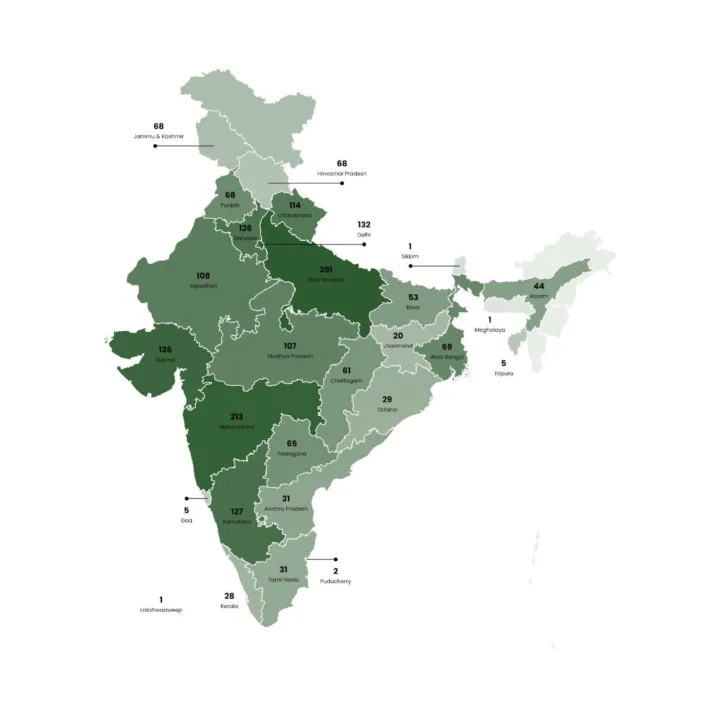
The study paints a surprising demographic portrait of the typical pancreatitis patient in India today. Contrary to the belief that pancreatitis is concentrated in southern India, the study found the highest number of patients came from Uttar Pradesh.
The patient profile is alarmingly young and predominantly male:
- Average Age: The average age of patients was just 24 years old.
- Prime of Life: A staggering 75% of patients were adults between the ages of 19 and 45.
- Gender Disparity: The population was overwhelmingly male, comprising 83% of the cases.
Beyond Alcohol and Gallstones: What Really Causes Pancreatitis?
Perhaps the most significant finding of the study is how it challenges long-held beliefs about the primary triggers of pancreatitis. While alcohol and gallstones are known causes, they were not the majority factor for the patients in this extensive study.
The data revealed:
- Alcohol is Not the Main Culprit: Only 33.6% of the 2,050 patients reported consuming alcohol, meaning two-thirds of patients were non-drinkers.
- Gallstones are a Minor Factor: Gallstone-related pancreatitis accounted for a mere 5% of cases.
- Low Tobacco and Genetic Links: Tobacco use was documented in only 18.4% of patients, and a genetic predisposition was found in just 8.8% of cases.
These statistics strongly suggest that the majority of pancreatitis cases in this cohort are “idiopathic,” or of unknown cause, by conventional standards, pointing to the urgent need to investigate other contributing factors.
The Hidden Culprits: How Stress, Sleep, and Diet Impact Pancreatitis
The study shines a light on overlooked lifestyle factors that may be fueling the rise of pancreatitis in India. By analyzing patients’ professions and habits, the research uncovered powerful correlations:
- The Stress Epidemic: The largest group of patients by profession was students (414), followed by businesspeople (285) and service professionals (209). The paper notes that these are all roles associated with moderate to severe stress, providing new insight into stress as a potential contributing factor to pancreatitis.
- The Price of Poor Sleep: An overwhelming 92.5% of patients were late sleepers. The study discusses how sleep deprivation and a disrupted circadian rhythm can lead to oxidative stress in the pancreas, worsening inflammation and making the organ more vulnerable to damage.
- Irregular Eating Habits: A majority of participants, 52.3%, reported a habit of skipping meals.
A New Way Forward: Prevention and Management of Pancreatitis
This landmark research concludes that a broader approach is essential to tackle the growing burden of pancreatitis. Understanding that stress, poor sleep, and diet are significant contributing factors allows for the development of more effective prevention and management strategies.
By focusing on these modifiable lifestyle factors, there is a potential to not only reduce the incidence of pancreatitis but also to mitigate the risk of its progression to pancreatic cancer. This study serves as a critical call to action for broader epidemiological surveys and a more integrative approach to patient care, one that considers the whole person—not just a narrow list of conventional causes.
Source: Prakash VB, Prakash S, Negi N, Sati ST. Demographic Pattern of Pancreatitis Patients in India – A Hospital-based Study. Journal of the Epidemiology Foundation of India. 2025;3(1):58-62. DOI: https://doi.org/10.56450/JEFI.2025.v3i01.010.