The Onset: A Decadelong Descent into “Hell” for Rajeev
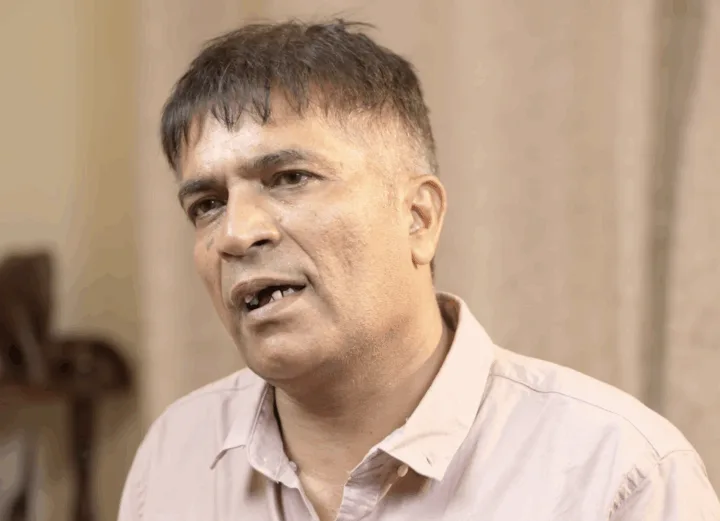
Rajeev’s journey began with mild symptoms in 2009, potentially following a physical encounter with a monkey at his workplace. However, the first major, life-altering attack occurred in 2010. He describes the pain as so severe and uncontrollable that it caused him to become semi-unconscious, a sensation that still causes him distress to recall.
For the next seven years, Rajeev lived in a state he describes as “worse than hell”. He was in constant terror of the next attack, which almost always occurred at night. This fear forced him to abandon his passions for football and long-distance driving; he stopped attending family weddings and social functions entirely, as the threat of pain loomed over every activity.
The Systemic Breakdown: Stents and Medical Despair
Rajeev sought help from premier institutions, including PGI Chandigarh, where he underwent a battery of tests including repeated endoscopies, colonoscopies, and CT scans, sometimes as late as 11:00 PM or midnight due to the sheer volume of patients.
The medical system provided no cure. At PGI, doctors observed a “weak duct line,” which they suspected was congenital, and placed a stent in his pancreatic duct. Despite the stent, the pain persisted. Rajeev recalls the harrowing environment of standard hospitals: overcrowded wards where patients lay on stretchers or the floor, with attendants holding up IV drips by hand because there were no stands. One doctor eventually told him, “Even if you go to America for treatment, there is no cure for this in the world”.
The Physical Toll: Severe Weight Loss
The chronic inflammation led to a dramatic physical decline. Rajeev’s body weight plummeted from over 90 kg to just 65 kg. His facial features became sunken, and colleagues at work were shocked by his rapid deterioration. He lived in a state of constant psychological negativity, especially when hearing stories of other pancreatitis patients who had passed away.
The Padaav Pivot: “Sanjeevani” for a New Life
Exhausted and financially drained, spending lakhs on short hospital stays—Rajeev discovered Padaav through a mutual acquaintance. Meeting Vaidya Shikha Prakash marked the turning point. Before starting the Ayurvedic protocol, she insisted on a crucial first step: removing the pancreatic stent.
Unlike the “hopeless” prognosis of previous specialists, Padaav offered a structured 21-day cycle that Rajeev describes as his “Sanjeevani” (life-giver). He embraced the treatment with total surrender, immediately giving up tea and coffee, habits he has not returned to for years.
The Recovery: Restoring Function through Discipline
The recovery at Padaav was defined by a strict adherence to Ayurvedic principles and biological timing:
-
Nutritional Opening: After years of fearing food and living on boiled lentils and “khichdi,” Rajeev’s diet finally “opened up”. He reintroduced paneer and ghee into his routine without triggering pain.
-
Habit Formation: The 21-day inpatient stay was essential not just for medicine, but for resetting his lifestyle, eating and sleeping at fixed intervals.
-
Physical Activity: He incorporated regular walking and cycling into his routine to ensure his organs remained active and supported digestion.
The Outcome: Reclaiming the Future
Today, Rajeev is healthy and relaxed, no longer even feeling like a “pancreatitis patient”. He has regained his confidence and returned to his love for the outdoors, often cycling 30 to 50 kilometers in the mountains. He credits his recovery to the unwavering support of his wife, brother, and family, who stood by him “like a pole” during his darkest years.
His Message: “Ayurveda requires discipline (parhez). If you follow the routine, it works. Don’t play with your life by going back to old habits once you feel better. I wasted lakhs on other treatments, but I found my satisfaction and life back only through Ayurveda at Padaav”.
Experience at Padaav
Rajeev emphasizes that Padaav provides a “home-like atmosphere” that treats the whole person, not just the symptom. He notes that while conventional medicine relies on a cycle of antacids and enzymes (like Creon) that only provide temporary relief, the Rasashastra and lifestyle protocols at Padaav address the root of the problem.
Updates
Latest Blogs
NAFLD
Non-Alcoholic Fatty Liver Disease (NAFLD): Symptoms, Diagnosis, and Prevention strategies
Introduction The liver, second only to the skin as the largest organ in the human body, performs over 200 critical functions, including metabolism, detoxification, and protein breakdown. Despite its importance,…
Pancreatitis
Specialized Pancreatitis Treatment in Rudrapur: Padaav Ayurveda’s Clinically Proven Protocol
Pancreatitis is a serious condition that requires specialized and timely care. For those seeking Pancreatitis Treatment in Rudrapur, Padaav Ayurveda offers an evidence-based, comprehensive approach led by Padma Shri awardee…
Pancreatitis
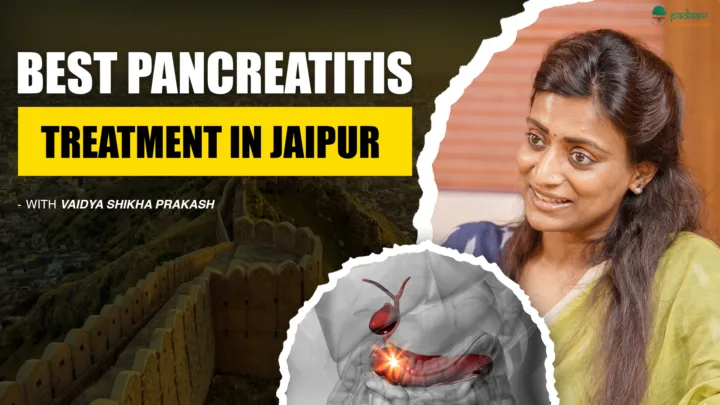
Specialized Pancreatitis Treatment in Jaipur: Padaav Ayurveda’s Clinically Proven Protocol
Pancreatitis is a serious condition that requires specialized and timely care. For those seeking Pancreatitis Treatment in Jaipur, Padaav Ayurveda offers an evidence-based, comprehensive approach led by Padma Shri awardee…
Pancreatitis
Pancreatitis: The Hard Truth About Progression and Lifestyle
Insights from Vaidya Balendu Prakash on Chronic Disease Management Vaidya Balendu Prakash addresses two major anxieties of Pancreatitis patients: the fear of progression despite medication, and the safety of the…
Migraine
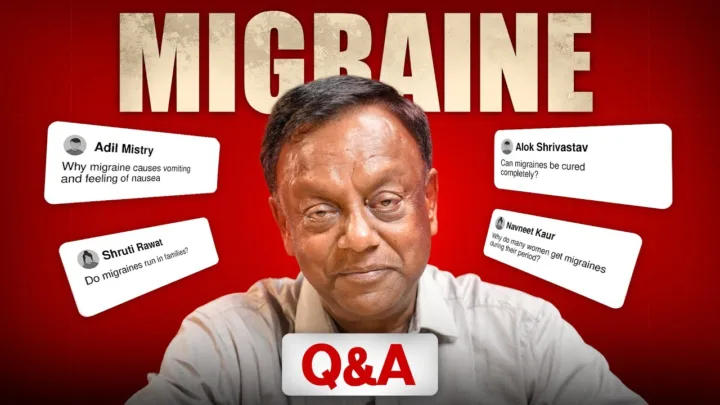
Reaching the Root of Migraine: Is It a Gut Issue, Not a Brain Disorder?
An international headache conference once featured two intriguing posters that challenged conventional thinking on migraines: one suggesting migraines diminish during pregnancy, and the other linking improvement to divorce. This thought-provoking…
General
The Modern Revival of an Ancient Art: A Vaidya’s Journey in Medicine Making
Ayurveda, with its rich, often poetic language, has been a repository of knowledge for centuries. One of its unique branches, Rasashastra, which involves the use of potent mineral-based substances like…
Queries?
Frequently Asked Questions
Where is Padaav Ayurveda located?
Padaav Ayurveda is based in Uttarakhand, with its main hospital located on the outskirts of Rudrapur. In addition, it has clinics in Dehradun and Bengaluru, and its doctors offer monthly consultations in Delhi and Ahmedabad.
What treatments are offered at Padaav Ayurveda?
Padaav Ayurveda offers evidence-based treatments for conditions like:
– Chronic migraines
– Pancreatitis
– Allergic rhinitis
– Childhood Asthma
– PCOS
– GERD
– Chronic Fatigue syndromes
– Certain forms of cancer
How does Padaav Ayurveda approach chronic conditions like migraines?
Padaav Ayurveda treats migraines holistically by addressing root causes through:
– Herbal remedies to reduce inflammation
– Panchakarma therapies like Shirodhara
– Dietary and lifestyle modifications to balance doshas
– Stress management techniques, including pranayam and meditation
Are the treatments at Padaav Ayurveda personalized?
Yes, all treatments at Padaav Ayurveda are personalized. Each patient undergoes a detailed consultation to understand their condition, constitution, and specific needs, ensuring tailored treatment plans.